
The Nature of Luck in Gambling
Luck plays a pivotal role in the realm of gambling, especially in casino games where outcomes are often random. Unlike skill-based games, where player decisions can influence the result, many casino games hinge on chance. For instance, in games like roulette or slot machines, the randomness of spins and draws highlights the unpredictable nature of luck. Additionally, many players often explore various betting sites australia to enhance their gaming experience, offering the tantalizing possibility of hitting it big with a fortunate turn of events.
In addition to randomness, the concept of luck encompasses various psychological aspects. Many players believe in lucky numbers or charms, which they carry with them to improve their chances. This belief in luck can affect their gameplay and even their betting strategies. Research shows that players who perceive their luck in a positive light tend to enjoy the experience more, even when results do not favor them. Thus, luck not only impacts the outcomes but also enhances the overall enjoyment of the gambling experience.
Moreover, the element of luck often creates a unique atmosphere in casinos. Players often share stories of remarkable wins due to sheer fortune, fostering a communal sense of hope and excitement. This sense of shared experience can be contagious, influencing the behavior of others and sometimes leading them to make riskier bets. The interplay of individual belief in luck and collective excitement contributes to the vibrant environment that characterizes many gambling venues.
Statistical Probability versus Luck
Understanding the mathematical principles behind casino games can shed light on the relationship between luck and probability. Each game has a defined house edge, which means that statistically, the odds are slightly tipped in favor of the casino over time. However, during any given session, luck can often defy these probabilities. A player might experience a winning streak that appears to contradict the established odds, emphasizing the randomness inherent in casino games.
Sophisticated players often employ strategies that take this house edge into account but must still contend with luck. For example, in blackjack, players can make strategic decisions based on card counting, yet luck still affects which cards are dealt. This blend of skill and luck creates a complex dynamic, as even the most experienced players rely on favorable outcomes, demonstrating that luck remains a constant variable in the gambling equation.
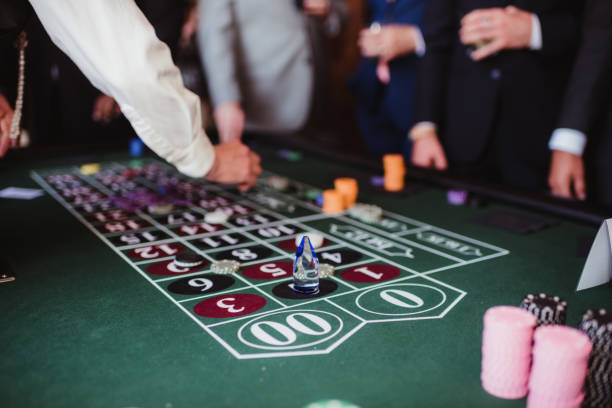
Another crucial aspect to consider is how the concept of variance plays into the equation. Variance describes the fluctuations in outcomes over short periods, where players may experience both wins and losses that deviate from expected statistical behavior. High variance games can lead to significant swings in a player’s bankroll because luck can drastically change the outcome. In essence, despite a solid understanding of the odds, luck can lead to unexpected results that leave players euphoric or devastated.
How Luck Influences Player Behavior
Luck can dramatically shape how players approach casino games and their overall behavior while gambling. The thrill of a sudden win can encourage players to take greater risks, betting more than they might otherwise choose. This phenomenon, often referred to as “chasing losses,” is a direct result of a player’s belief in their luck. When they experience a small win, they may feel empowered, believing that luck is on their side, leading to bigger wagers.
Additionally, the social aspect of gambling can impact perceptions of luck. Players often engage in conversations about their fortunes, sharing tips on what they believe are lucky strategies or rituals. This communal sharing of experiences reinforces the notion of luck, as players celebrate wins together and support each other through losing streaks. Such interactions can lead to an enhanced sense of camaraderie, as the highs and lows of gambling are experienced collectively.
Furthermore, casinos often design their environments to amplify the feeling of luck and winning potential. The sounds of slot machines paying out and the celebratory atmosphere during big wins create a sense of excitement that can psychologically influence players’ perceptions. Players may find themselves more willing to take risks in an environment that promotes the idea of luck being on their side, transforming their gambling experience into a more emotional venture.
The Role of Superstition in Gambling
Superstitions and rituals are prevalent among casino players, showcasing how deeply intertwined luck is with gambling. Many gamblers possess specific behaviors they believe will influence their fortunes, such as wearing certain clothing or performing pre-bet rituals. This reliance on superstition can enhance the sense of control over luck in a situation that is inherently random. For instance, a player might always sit in a specific chair or use the same chips, attributing their success to these habits.

Psychologically, these rituals can serve as a coping mechanism, providing comfort amid the uncertainty of gambling outcomes. When players believe they have some control over their luck through these practices, it can lead to a more enjoyable experience. This aspect of superstition also speaks to the human desire to find patterns or meaning in chaotic situations, such as the unpredictability of casino games.
Moreover, the influence of superstition extends to larger cultural beliefs about luck, which can vary significantly across different societies. For example, while some cultures may have specific numbers that are considered lucky, others might have rituals surrounding certain days or times deemed favorable for gambling. These cultural differences further enrich the tapestry of luck in casino games, highlighting how personal and societal beliefs can shape the gambling experience.
Exploring Resources and Insights
For those intrigued by the complex interplay of luck and skill in casino games, there are numerous resources available that delve deeper into this fascinating topic. Websites dedicated to gambling strategies often provide insights into the balance between luck and skill, helping players to understand how to navigate their gaming experience effectively. Engaging with forums or communities centered on gambling can further illuminate personal experiences, offering diverse perspectives on the role of luck.
Additionally, many casinos offer educational resources that help players familiarize themselves with the odds and rules of various games. By understanding the intricacies of each game, players can appreciate how luck operates within the framework of probability and strategy. This knowledge can empower players to make informed choices, enhancing their overall gambling experience while embracing the uncertainty that luck entails.
As players explore these resources, they can better understand their relationship with luck, recognizing both its unpredictable nature and its role in the excitement of gambling. Ultimately, whether one views luck as a mere chance event or a significant influence, it remains an essential component of casino games, shaping experiences and outcomes in myriad ways. Thus, engaging with educational materials and community discussions can enrich one’s understanding of this captivating aspect of gaming.